Current Focus of Lab Research
TBI in Special Populations
According to the Center for Disease Control, approximately 2.5 million individuals in the United States sustain a traumatic brain injury (TBI) each year. However, this number only reflects the number of individuals who seek care for their injury, and thus is likely an underestimate of the true number of people affected by TBI. In actuality, there are individuals from special populations who are at high risk for sustaining an injury, but for whom individual, contextual, societal, and/or systematic factors may prevent the identification and treatment of TBI. Our lab is interested in highlighting the stories of these “unspoken” injuries. Current projects in the lab seek to better understand the complexity in injury occurrence and recovery added by such contexts, and to identify/develop equitable and effective supports for survivors.
The focus of recent and current research projects involve investigating brain injury as it occurs in underserved and underrepresented communities. Some examples of research themes and questions of interest are:
- How can we better identify/screen for traumatic brain injury and injuries from non-fatal strangulation?
- What are the comorbidities occurring in these populations, and how do they contribute to unique needs? Can we identify these needs to better support the survivor?
- How can we help staff and other providers that are working with survivors in special populations?
- How can we make neuropsychological services more accessible and relevant to survivors?
- How do social determinants shape recovery from brain injury, and what might interventions/support for brain injury look like from this perspective?
Our current community partnerships allow us to learn about brain injury as it occurs in 2 particular underserved populations: 1) survivors of intimate partner violence, and 2) individuals involved in the legal system. Future expansion to other groups may be possible as community collaborations and relationships are developed. Some of our current projects include:
- Social Outcomes, Community Integration, and Living with Brain Injury (SOCIAL BI; investigating social supports and exploring differences in outcomes after TBI in survivors living in rural versus urban settings)
- Research for Enhancing Successful Transitions and Re-integration after TBI (RESTART; documenting the experience of community re-integration for individuals with a history of legal involvement and brain injury)
- Cognitive Screening in the Juvenile Justice System (partnering with local youth detention centers to develop better systems of care for justice involved youth with a history of probable brain injury)
- Neurocognitive and Immune effects of Choking Experiences (NICE; documenting neural, neuroinflammatory, and neurocognitive effects of sexual choking)
- Research on intimate partner violence-related brain injury (partner-inflicted brain injury) is currently being developed in collaboration with our community partners
Secondary Areas of Research Interest
Metacognition and Related Constructs
Do you really know about...what you know? Knowing about knowing, known as metacognition, is an aspect of self-awareness that refers to the ability to make in-the-moment judgments about one's own performance while engaged in a cognitive task, as well as the ability to alter behavior accordingly. We are interested in how these and related processes (such as error-detection/awareness, performance monitoring) are affected after moderate to severe traumatic brain injury (TBI), and in turn how metacognitive accuracy after injury influences other domains of functioning and/or return to every day living. We are also interested in understanding the neural mechanisms underlying metacognitive functioning after TBI.
Heterogeneity and Within-Sample Variance
Much of TBI research focuses on group differences; that is, how is the injured brain different than the healthy brain? While identifying such differences is helpful, it is also important to consider subgroup or individual differences within samples. Investigating the variability within samples provides a more comprehensive understanding of recovery trajectories after injury, and has significant implications for development of more individualized or personalized approaches to rehabilitation. Thus, we are interested in researching how individuals may be affected differently by injury, and what factors may lead to different levels of functioning, trajectories of recovery, and response to treatment.
"Messy" TBI (Intersection of TBI and mental/behavioral health in at risk populations)
TBI never happens in a vacuum, and individuals coping with injury must often deal with other life complications. Thus, the context in which the injury occurs as well as other psychological factors that individuals are simultaneously coping with can greatly effect how: 1) the brain responds to injury, 2) the individual functions after injury, and 3) the trajectory of recovery. Our lab partners with several community agencies to conduct research that is aimed at better understanding the additive and interactive effects of TBI in individuals who may coping with other life circumstances (e.g., domestic violence, substance use).
Neuroplasticity
The dynamic nature of the brain is, in our humble opinion, one aspect that makes it such a fascinating and remarkable organ! Research has shown that there are structural and functional changes that occur in the brain after TBI. We are interested in better understanding how these changes occur, how these changes affect functioning in different domains, as well as what factors may influence these changes. Our research projects investigate change at various time intervals, from changes that occur over a number of trials in one study paradigm, to more long term changes across years through the help of our collaborators.
Methods and Approaches to Research
Our lab uses a mix of the following tools/methodologies to conduct our research.
Primary methods include:
- neuropsychological assessment
- survey methods
- traditional cognitive/experimental paradigms
- individual interviews (mixed methods and qualitative methods)
Data collected using the following methodologies are available for projects involving secondary analyses:
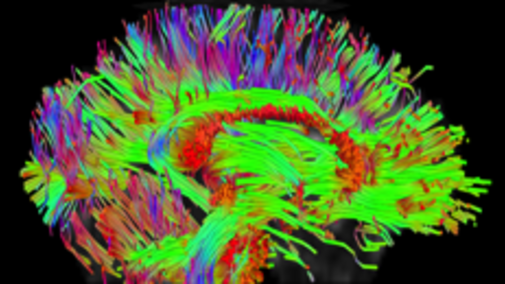
- structural magnetic resonance imagining (e.g., volumetric analyses, diffusion tensor imaging)
- functional magnetic resonance imaging (fMRI)
Through collaborations, there are also opportunities to use:
- eye-tracking
- salivary bioscience techniques
- functional near-infrared spectroscopy (fNIRS)